Carpet to Hardwood in a 1980s House
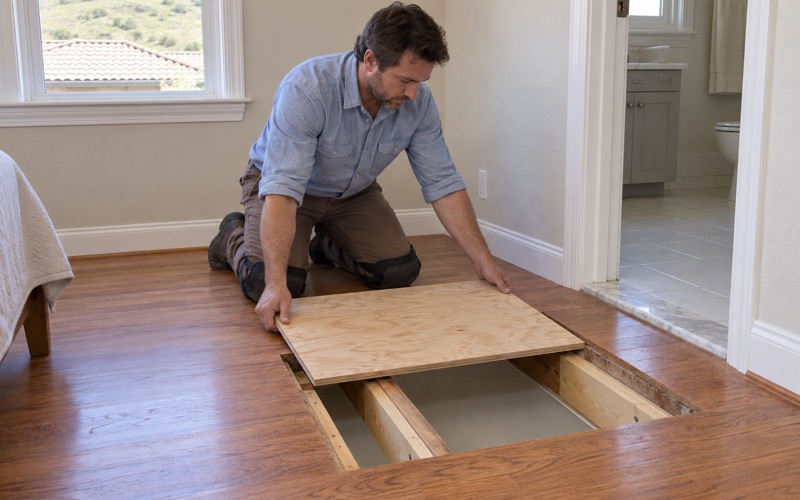
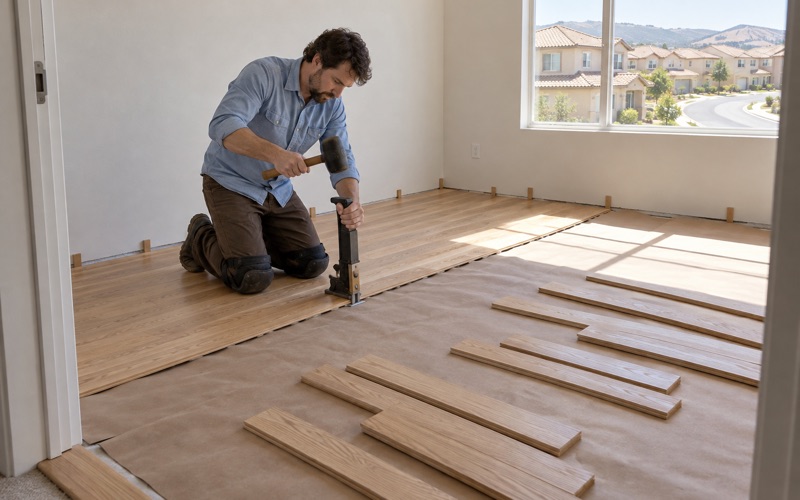
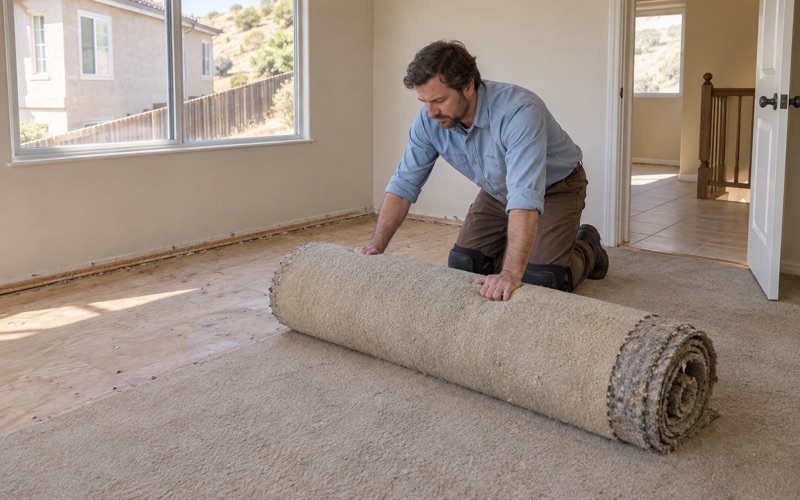
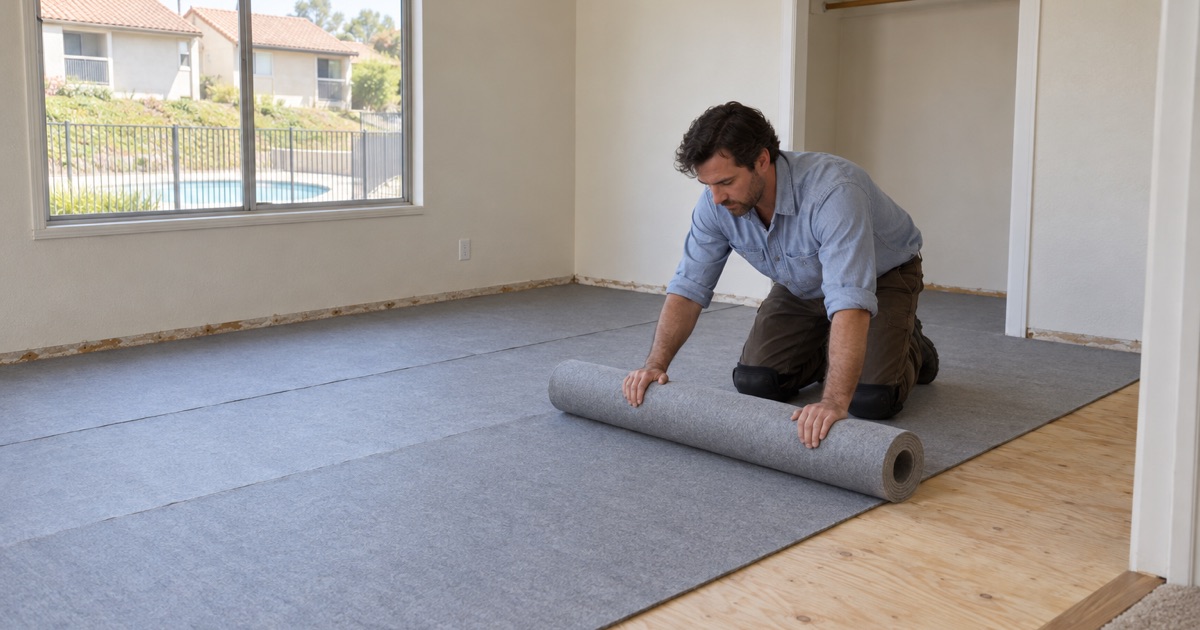
With 41.7 percent of Diamond Bar’s housing units built in the 1980s, a large share of our installation work is pulling wall-to-wall carpet from a house of that era. We check the plywood subfloor or OSB subfloor for stains, soft spots and loose panels, flatten high seams and choose nail-down, glue-down or floating installation to suit what is underneath. The prep is what keeps the new floor from squeaking.
Carpeted Stairs to Hardwood Stair Treads
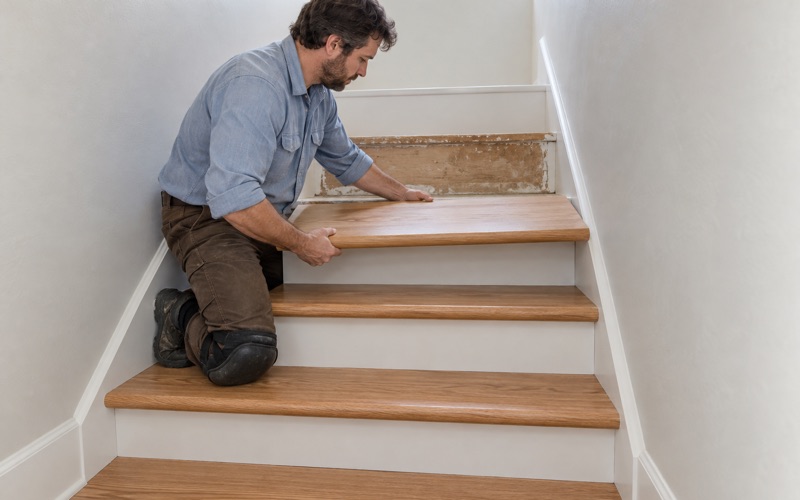
Carpeted stairs are usually built from rough treads that were never meant to be seen, so conversion means cutting off the old nose and installing new hardwood stair treads, risers and a stair nosing or bullnose tread. We match the species and stain to the floor at the top and bottom of the run. Each step is priced on its own line.
Finding Hardwood Hidden Under Carpet
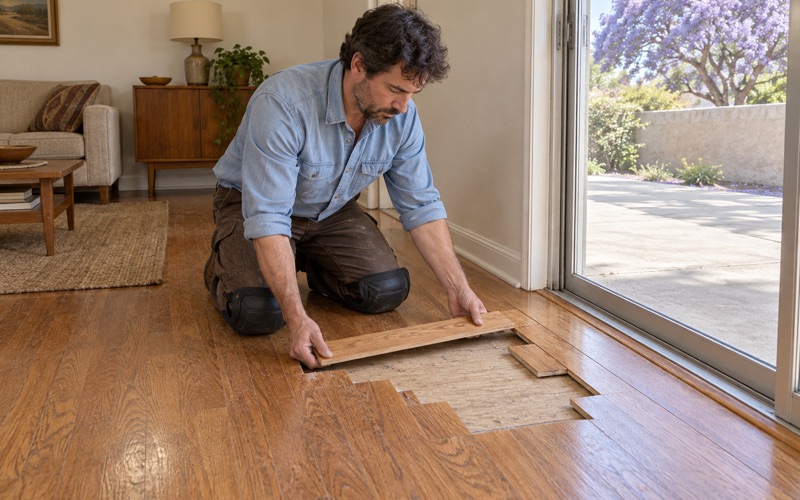
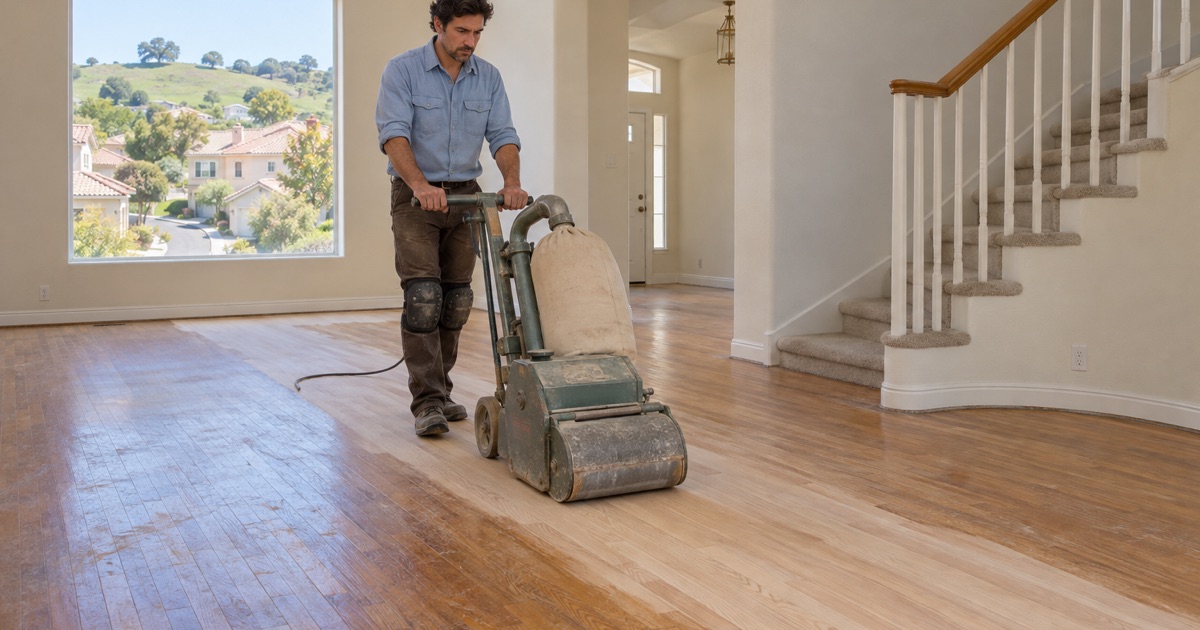
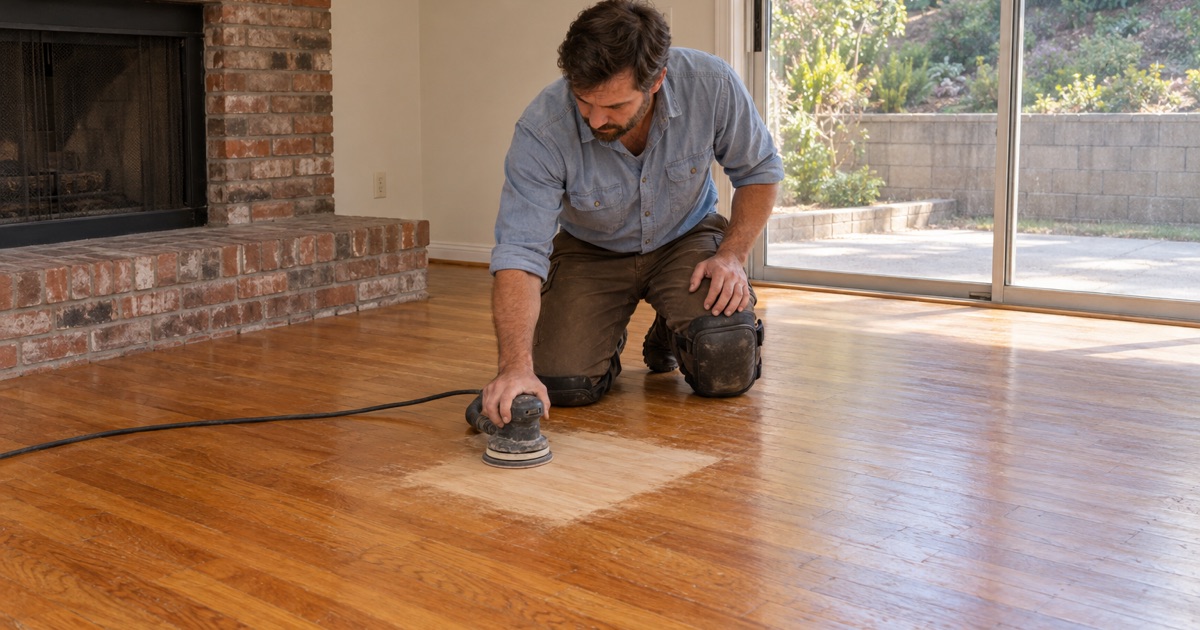
Some carpeted houses have oak strip flooring underneath, and uncovering it can save a full installation. We lift a corner in a closet, look for staple holes, tack strip damage and pet stains, and tell you whether the boards will sand out. If they will, refinishing costs far less than a new floor.
Parquet Flooring: Refinish, Repair or Replace
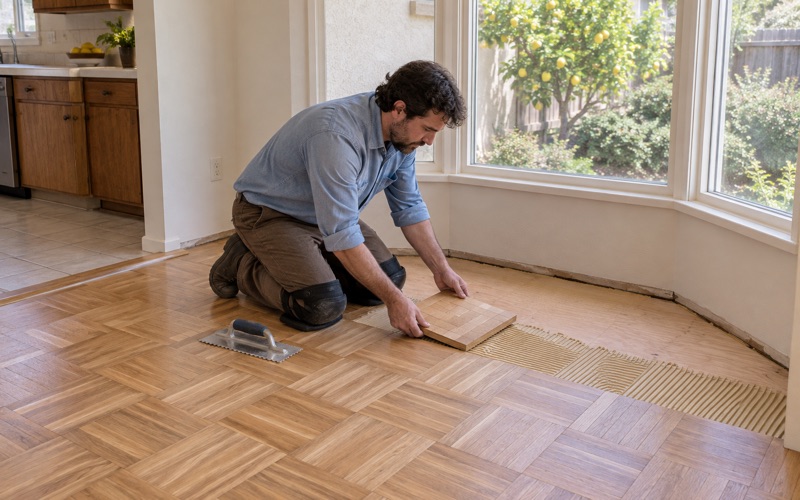
Parquet tiles loosen when the adhesive under them fails, and a floor with a few lifted squares is often repairable. We reset or replace the loose blocks, sand the pattern carefully because grain runs in several directions, and refinish the whole room. When too many blocks have let go, we explain why replacement is the better spend.
Black Mastic Under Old Parquet
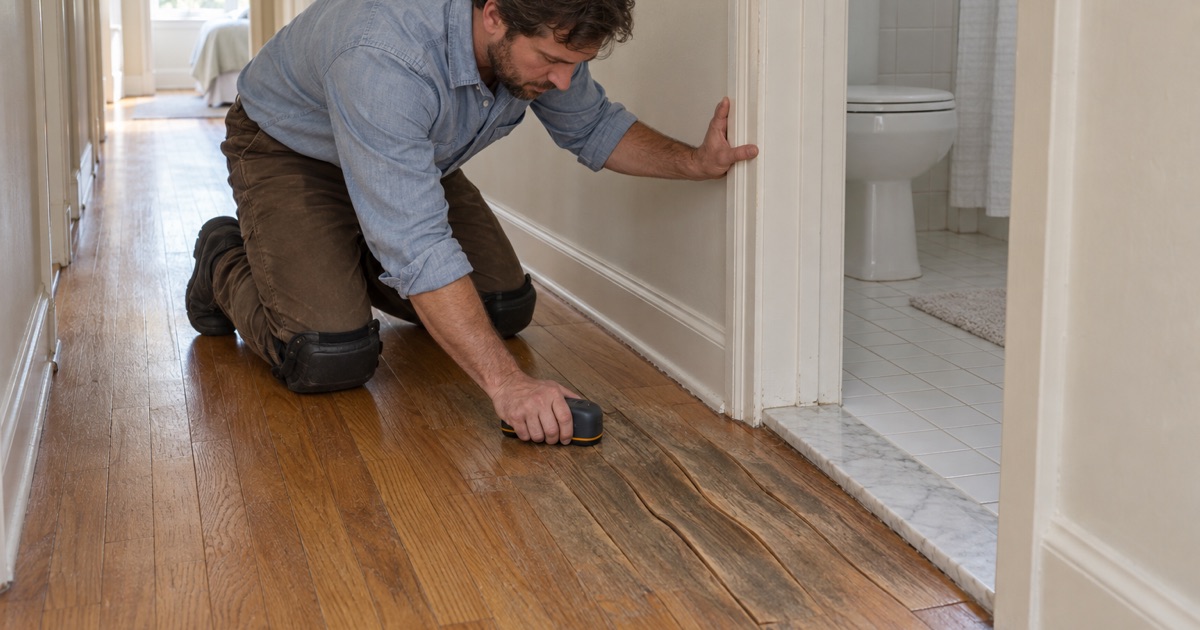
Old parquet and vinyl tile were often laid in black mastic or cutback adhesive, and some of those adhesives contain asbestos. South Coast AQMD Rule 1403 requires a survey for asbestos before renovation that disturbs flooring layers, so the adhesive gets tested before anything is ground or scraped. We plan the new floor around the test result rather than sanding into an unknown.
Engineered or Solid Hardwood
Solid hardwood can be sanded many times over its life, while engineered hardwood is more stable over concrete slabs and radiant heat but carries a limited wear layer. We recommend one or the other from your subfloor, the room and how long you plan to stay. Engineered products sold in California must use composite cores that meet CARB Phase 2 or TSCA Title VI formaldehyde standards.
Herringbone, Chevron and Wide Plank White Oak
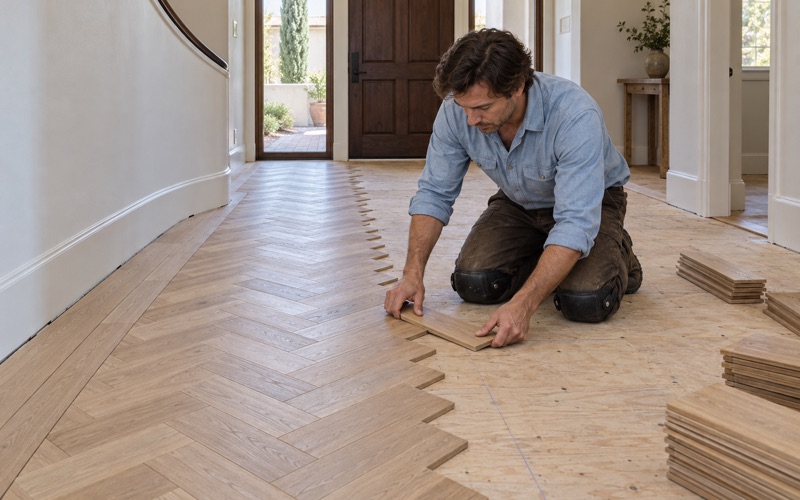
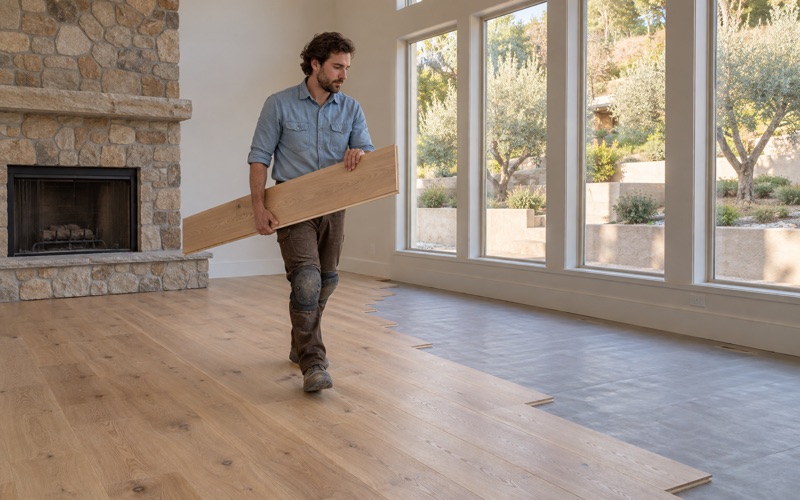
Herringbone and chevron patterns need every board cut and laid to a layout line, which takes far more labor than straight planks and far more care at the walls. Wide plank white oak moves more across its width, so moisture testing and proper fastening matter more. We lay out the pattern in the room first so the center line and borders look right from the front door.
Hardwood or Luxury Vinyl Plank
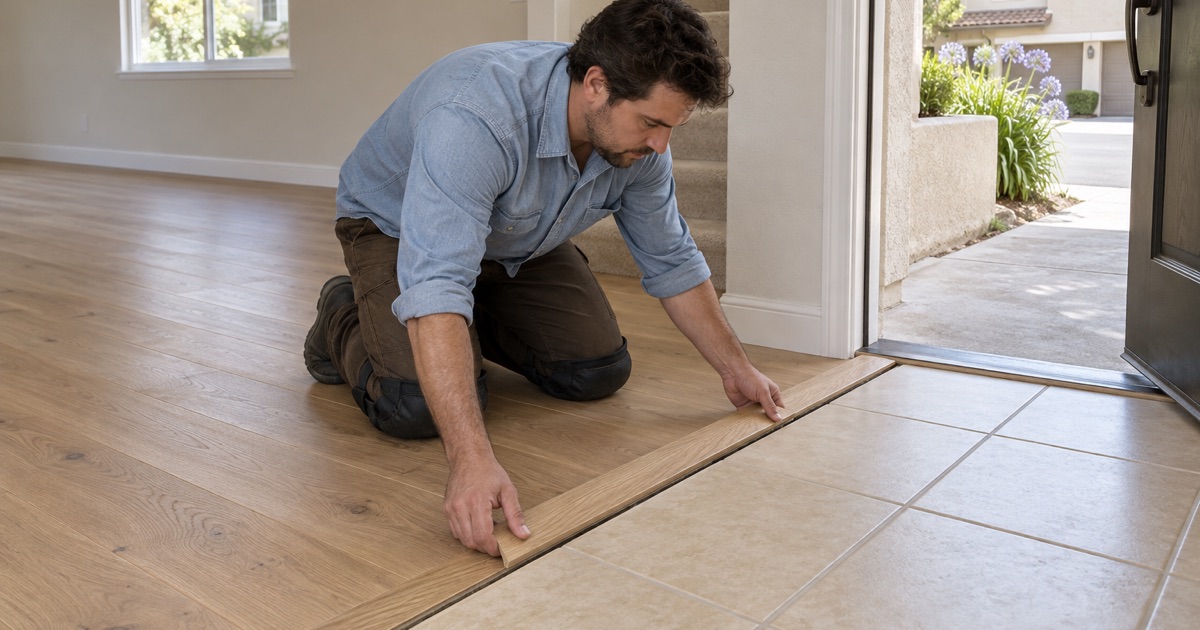
Luxury vinyl plank resists standing water and costs less up front, while hardwood can be refinished and repaired for decades. We lay out the tradeoffs honestly, including where each belongs: a laundry room may be better in vinyl, while a living room usually earns hardwood. The right answer depends on the room, not on a sales pitch.